
Shri Narendra Modi: The Leader Who Chose Dialogue Over Division in a Fractured World
Narendra Modi – 01 Shri Narendra Modi: The Leader Who Chose Dialogue Over Division in a Fractured World The COVID-19 pandemic caused enormous global…
Narendra Modi – 01 Shri Narendra Modi: The Leader Who Chose Dialogue Over Division in a Fractured World The COVID-19 pandemic caused enormous global…
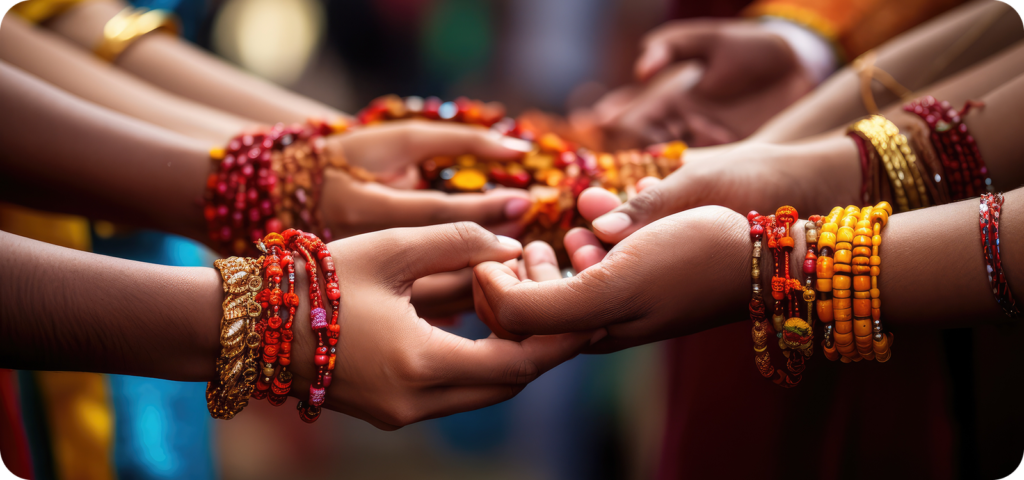
Yoga and cultural exchange foster global unity and understanding. India’s soft power builds bridges between societies.
India’s soft power is expressed through cultural diplomacy, global yoga adoption, and the world’s largest diaspora. The UN resolution establishing International Yoga Day received support from 175 member states. Today, Yoga Day events have been reported in more than 190 countries. India’s diaspora—more than 35 million strong—serves as a bridge between nations.
Cultural diplomacy promotes peace by reducing cultural distance, fostering mutual respect, and building shared spaces of understanding.
✔️ 175 countries co-sponsored the UN Yoga Day resolution.
✔️ Yoga celebrated in 190+ countries.
✔️ India’s diaspora: 35.4 million people in 200+ countries.
✔️ One of the world’s strongest soft-power networks.
✔️ Cultural exchange strengthens global harmony.
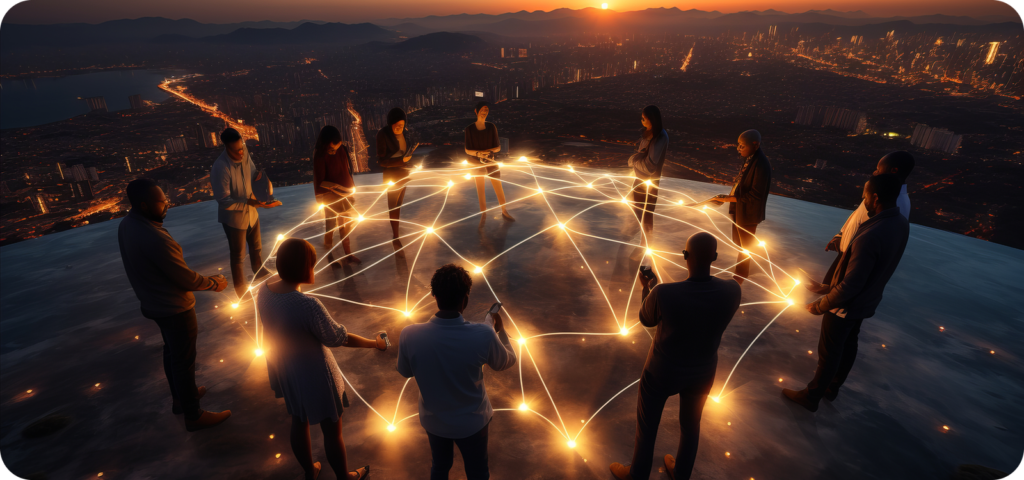
India’s digital systems enable identity, access, and inclusion at scale. Technology used consciously to uplift, not divide.
India’s Digital Public Infrastructure (DPI)—including Aadhaar, UPI, Jan Dhan, and DigiLocker—has redefined inclusive digital governance. Aadhaar enrollment stands at 1.35 billion people, ensuring identity for almost all adults. Jan Dhan accounts have crossed 515 million, while UPI handles more than 100 billion transactions annually. Over 50 countries are exploring DPI models inspired by India Stack.
This approach demonstrates how technology, when designed consciously, can expand dignity, access, and opportunity rather than deepen inequality.
✔️ 1.35 billion Aadhaar enrollments (~99% adult coverage).
✔️ 515.6 million Jan Dhan bank accounts.
✔️ 100+ billion UPI transactions per year.
✔️ 50+ nations exploring India Stack/DPI.
✔️ Recognized at G20 as a global public-good model.
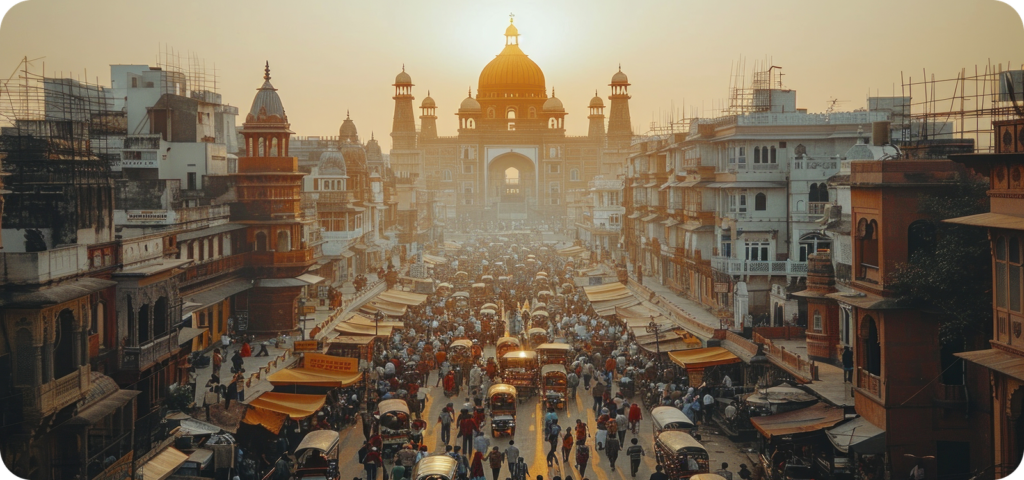
The world’s largest democracy showcases participation, transparency, and trust. Citizen-led legitimacy supports peaceful governance.
India conducts the world’s largest democratic exercise. In the 2024 Lok Sabha elections, approximately 642 million people voted out of 968 million registered voters. The scale, transparency, and logistical complexity of this process underscore the strength of India’s democratic institutions.
Conscious governance requires legitimacy rooted in citizen participation. India’s democratic processes demonstrate how political systems can accommodate diversity, pluralism, and peaceful transitions.
✔️ 642 million voters participated in 2024 elections.
✔️ 968 million registered voters—the world’s largest electorate.
✔️ Regular, peaceful electoral cycles.
✔️ High institutional transparency.
✔️ Demonstrates global-scale participatory governance.
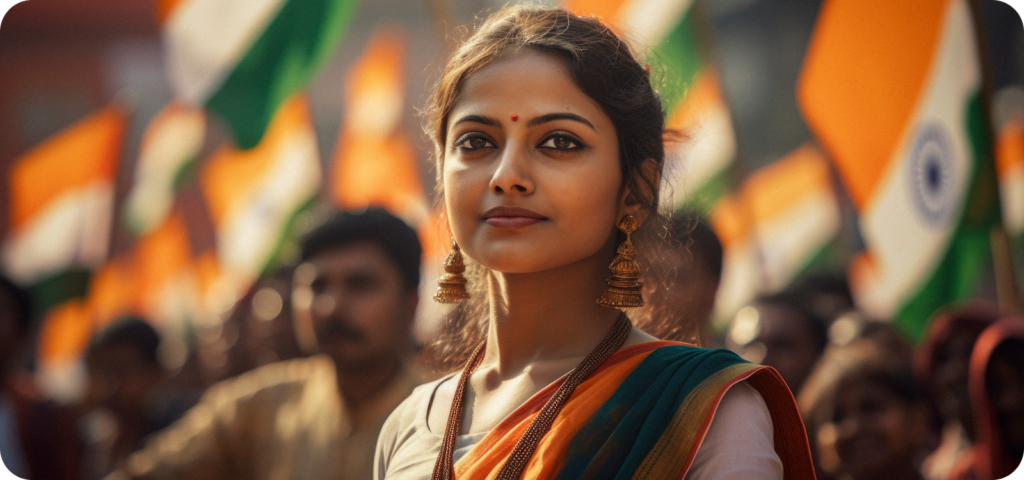
Women-led development drives financial inclusion and community strength. Empowering women strengthens the nation’s social fabric.
India’s women-led development initiatives are among the largest in the world. The National Rural Livelihoods Mission supports 9.7 million Self-Help Groups (SHGs), touching more than 101 million rural households. Meanwhile, schemes like Ujjwala Yojana and Jan Dhan Yojana have improved financial inclusion and access to clean energy. Today, more than 288 million women hold Jan Dhan accounts.
Women’s empowerment is essential to peace, as it directly strengthens community stability and intergenerational development. DoCM recognizes this as a fundamental expression of conscious governance.
✔️ 9.7 million SHGs covering 101 million rural households.
✔️ 96 million LPG connections issued to women.
✔️ 288+ million women have Jan Dhan accounts.
✔️ UN Women and World Bank acknowledge the scale of women-led inclusion.
✔️ Empowerment reduces inequality and strengthens social resilience.

A vibrant startup ecosystem and national skilling empower the next generation. Innovation shaping a conscious, future-ready nation.
India is the world’s third-largest startup ecosystem with more than 117,000 DPIIT-recognized startups and over 100 unicorns. This innovation ecosystem is complemented by large-scale skilling initiatives. The Skill India Mission has trained more than 60 million people, reflecting a commitment to harnessing demographic potential.
For DoCM, youth empowerment represents conscious nation-building. Innovation, skills, and entrepreneurship create pathways to prosperity and reduce social fragmentation.
✔️ 117,000+ recognized startups (3rd largest globally).
✔️ 100+ unicorns across sectors.
✔️ 60+ million people trained through Skill India.
✔️ Strong global investor and technology ecosystem participation.
✔️ Youth-driven innovation supports long-term societal stability
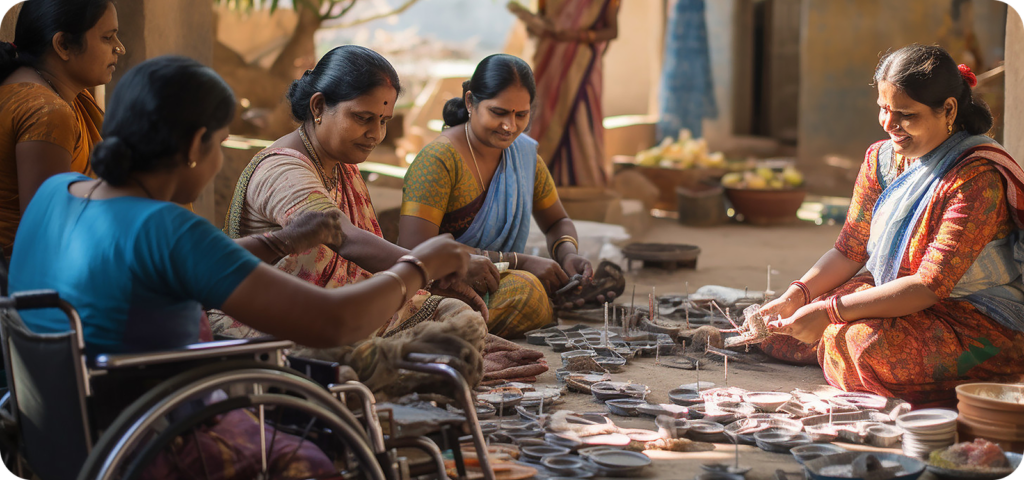
Historic poverty reduction uplifted millions into dignity and opportunity. Social progress as a foundation for long-term harmony.
According to UNDP’s Multidimensional Poverty Index (MPI), India lifted 415 million people out of multidimensional poverty between 2005/06 and 2019/21—one of the largest poverty reductions in modern history. Improvements were recorded across nutrition, school attendance, sanitation, electricity access, and housing quality. In addition, food-security programs continue to support more than 800 million people.
Reducing vulnerability at this scale strengthens social cohesion and long-term peace. DoCM views poverty alleviation as a critical expression of conscious systems thinking—improving stability, dignity, and opportunity for millions.
✔️ 415 million people exited multidimensional poverty (UNDP MPI).
✔️ 800+ million receive food grains under national food-security programs.
✔️ 100+ million household toilets built under Swachh Bharat.
✔️ ~600,000 villages declared ODF / ODF-Plus.
✔️ Significant gains in housing, sanitation, nutrition, and schooling.
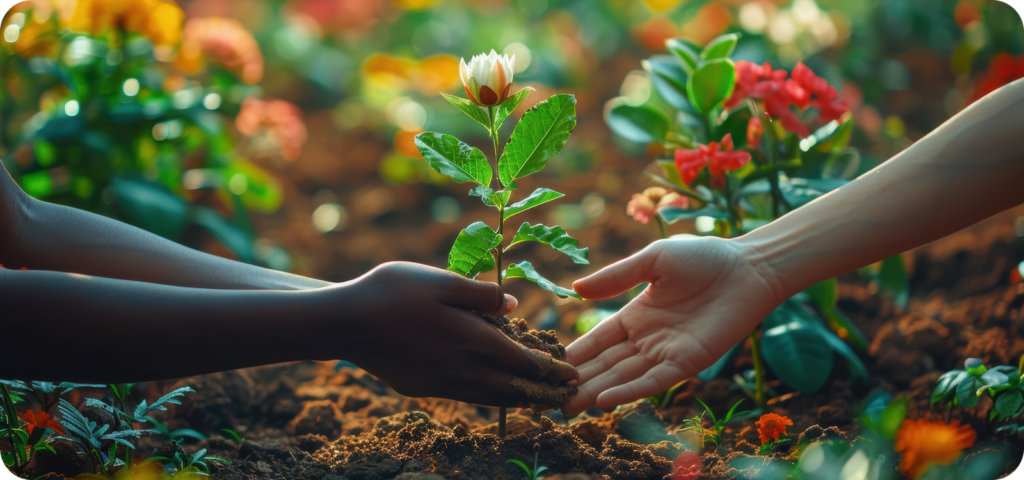
Leading global clean-energy action through solar alliances and equitable climate policy. Environmental responsibility as peace-building.
India has emerged as a leading voice for equitable climate action, championing renewable energy adoption and climate justice. The International Solar Alliance (ISA), co-founded by India, now includes 124 member and signatory countries. India has committed to achieving 500 GW of non-fossil fuel electricity capacity by 2030—one of the world’s most ambitious clean-energy transition targets.
From a consciousness perspective, environmental responsibility is inseparable from peace. Climate instability fuels conflict, migration, and economic stress. India’s leadership in renewable energy, affordable solar deployment, and climate diplomacy advances long-term global stability.
✔️ 124 countries are members/signatories of the International Solar Alliance.
✔️ ISA global ambition: 1,000 GW (1 TW) of solar capacity by 2030.
✔️ India’s domestic clean-energy target: 500 GW non-fossil capacity by 2030.
✔️ Strong advocacy for climate finance and equitable transitions.
✔️ Recognized internationally during G20 and COP negotiations.
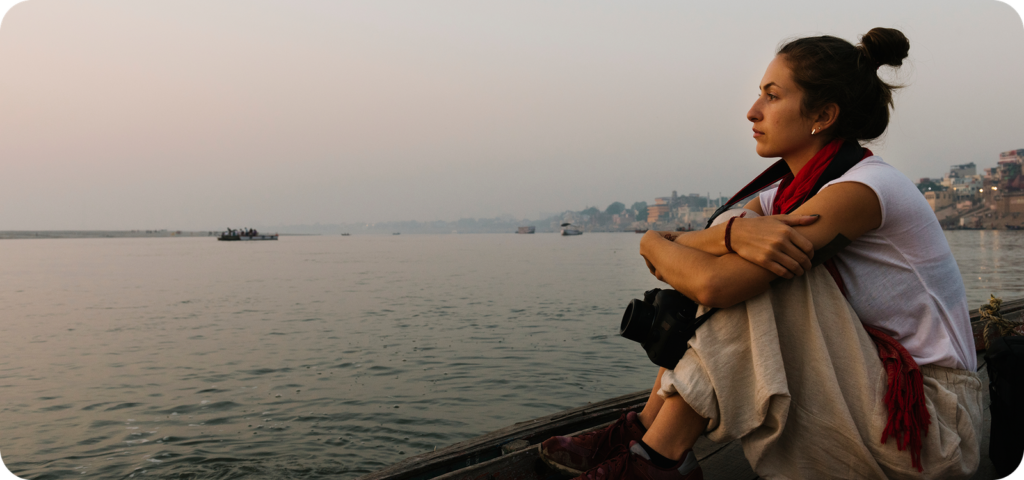
India’s restraint and dialogue-first diplomacy reduce risks in a sensitive region. Ethical strength that upholds global stability.
India maintains a long-standing doctrine of nuclear restraint and responsible behavior, even while positioned in one of the world’s most complex geopolitical environments. Its declared “No First Use” policy and emphasis on deterrence without provocation reduce escalation risks in a region home to nearly 2 billion people. India consistently advocates for dialogue, de-escalation, and strategic stability.
From DoCM’s standpoint, conscious governance includes measured strength, ethical restraint, and long-horizon thinking. India’s approach reflects responsible stewardship in a nuclearized region, contributing to global peace through predictability and restraint.
✔️ India’s population: 1.43+ billion (~17% of humanity).
✔️ South Asia’s total population: ~2 billion.
✔️ India maintains a declared No First Use nuclear doctrine.
✔️ Frequently calls for dialogue-first diplomacy at the UN.
✔️ Demonstrates restraint in a high-risk nuclear region.
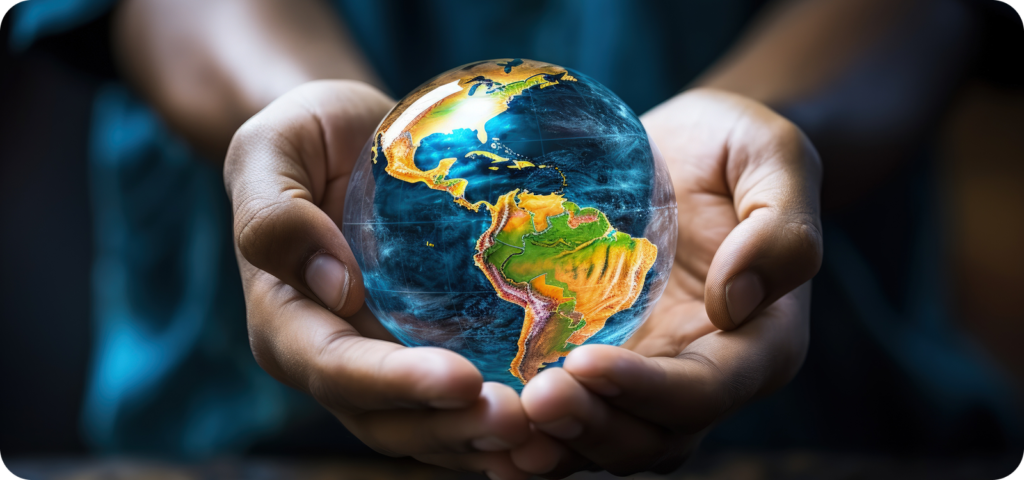
India’s global health support during crises strengthened shared resilience. A model of conscious, compassionate international leadership.
India’s humanitarian response during global crises—particularly COVID-19—demonstrated large-scale solidarity with vulnerable nations. India supplied medicines, PPE, vaccines, and medical support to more than 150 countries across Asia, Africa, Europe, Latin America, the Gulf, and the Pacific. Through the Vaccine Maitri initiative, India delivered 301 million vaccine doses to 99 countries and two UN entities, supporting global health systems at a time when access to vaccines was limited.
This approach strengthened international goodwill and demonstrated a model of responsible global citizenship. From a peace-building lens, equitable health support reduces global vulnerability, prevents destabilization caused by pandemics, and reinforces the idea of a shared human destiny—fully aligned with DoCM’s consciousness-led governance philosophy.
✔️ 150+ countries received Indian medical assistance during COVID-19.
✔️ 301 million vaccine doses supplied to 99 countries + 2 UN entities.
✔️ Supported countries across Asia, Africa, Latin America, Pacific Islands.
✔️ Recognized by WHO, UN agencies, and multiple heads of state.
✔️ Strengthened global health preparedness during a systemic crisis.